
The Difference Between a Good and Great Kitchen Design
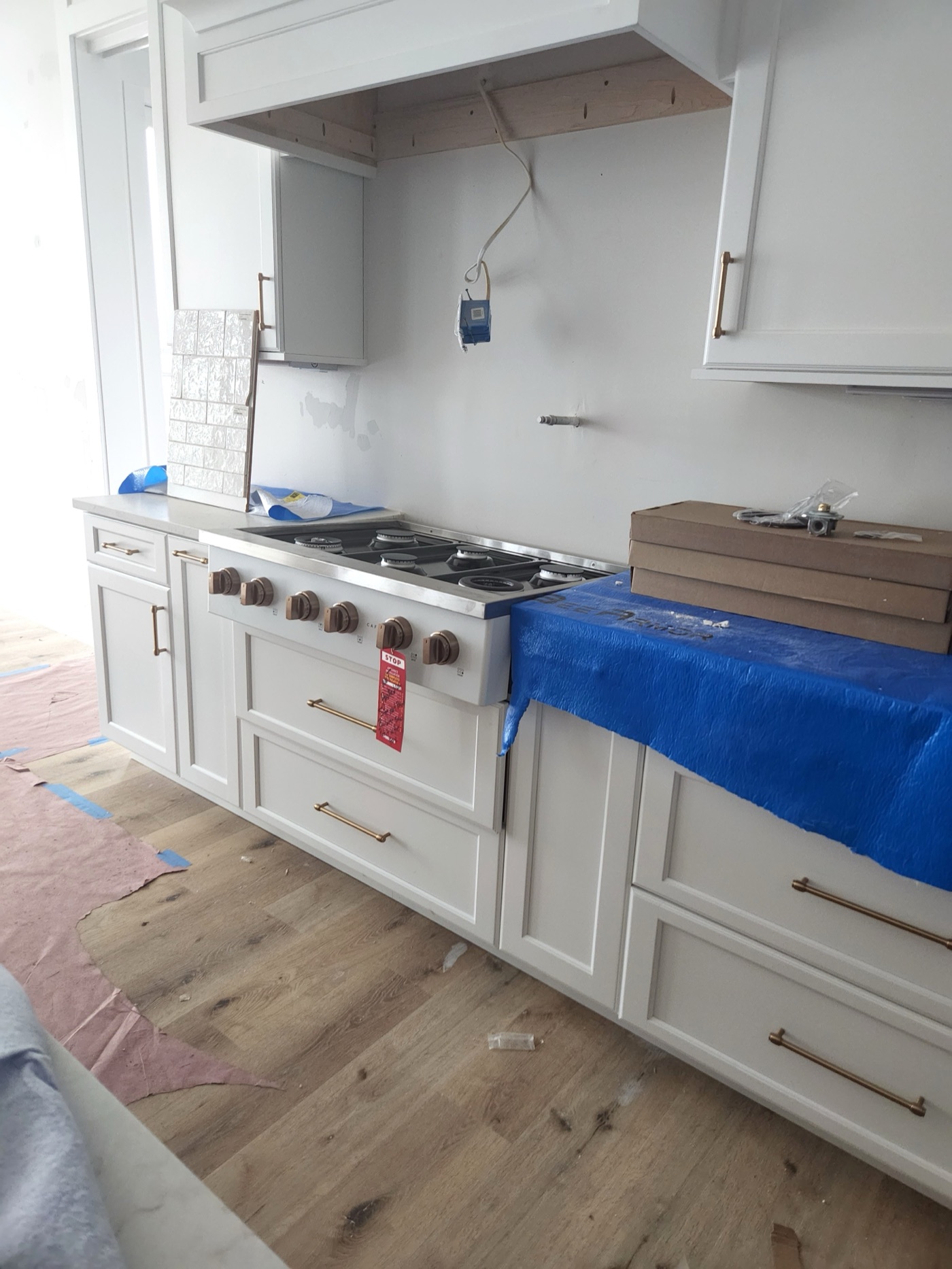
When my husband and I built our custom home several years ago, I was already working as an interior designer. At the time, my focus was primarily on furniture, textiles, and soft goods. I understood scale, color, proportion, and how to make a home feel beautiful and cohesive. What I didn’t fully understand yet was kitchen design.
Ironically, now that I work in kitchen design professionally, I look back at our own home-building experience and realize just how much was missed during one of the most important parts of the process. Like many people building a custom home, we were juggling what felt like a thousand decisions at once. Flooring. Lighting. Plumbing fixtures. Paint colors. Hardware. Tile. Exterior finishes. The list never seemed to end.
Our selections coordinator scheduled appointments with various vendors, and one of those appointments was for cabinetry. We sat down with the cabinetry designer, looked through door styles and color samples, selected finishes, and then were presented with a kitchen layout.
At the time, I accepted it pretty quickly. Not because it was perfect, but because I was overwhelmed. Looking back now, I realize how incredibly short-sighted that process was. Nobody asked me how I actually use my kitchen. Nobody asked how I cook, entertain, prep, bake, clean, host holidays, or function day-to-day. Nobody asked what appliances I needed to store, and trust me, there were plenty. Three rice cookers. An Instant Pot. Air fryer. KitchenAid mixer. Warming buffet. Specialty serving pieces. Large platters. Baking equipment. The list goes on. Nobody asked what I wanted visible on my counters versus hidden away in cabinetry. Nobody asked how I planned to use my back kitchen, or scullery. And those conversations matter more than people realize.
A Kitchen Can Look Beautiful and Still Function Poorly
The truth is, my kitchen turned out good. It’s attractive, functional enough, and certainly livable. It certainly helped that we also included a back kitchen in our build, where I had mapped out how many linear feet I would need for dry goods and storage. Without this huge storage space off the kitchen, I would have been in trouble with the lack of planning and design advice we received for the main kitchen. The kitchen is one of the hardest-working spaces in a home. It’s where daily routines happen, where families gather, where holidays unfold, where homework gets done, where coffee is poured every morning, and where people naturally gravitate during every gathering. Yet so many kitchen designs are approached as a template instead of a deeply personal space.
A successful kitchen starts with understanding the person using it. Not trends. Not Pinterest photos. Not what the designer personally prefers. Not what worked for the last client. The right kitchen is different for every homeowner.
The Questions Every Kitchen Designer Should Be Asking
Today, when I begin working with clients, the first thing I want to understand is not what color cabinetry they want. I want to understand their life. Do they cook every night or order takeout most evenings? Do they bake often? Do they entertain large groups? Do they host holidays? Are they empty nesters or raising young children? Do they need hidden storage for small appliances, or do they prefer easy access on the countertop? Do they buy groceries in bulk? Do they need pet feeding stations integrated into the cabinetry? Will the scullery function as a hardworking prep kitchen, or more as a catering and cleanup zone? Do they need a dedicated coffee station? Beverage area? Wine storage? Bar sink?
These details dramatically impact layout decisions. Because kitchen design is not just about aesthetics. It’s about workflow, storage, efficiency, and supporting the way someone actually lives.
There Is No One Size Fits All Kitchen
One of the biggest misconceptions in kitchen design is that there is a universally correct layout. There isn’t. What works beautifully for one family may feel frustrating and inefficient for another. If you rarely entertain and hardly ever bake, you may not need a second oven or second dishwasher. But for someone who hosts frequently, those additions can completely change how functional the kitchen feels during holidays or parties. For avid entertainers, creating a separate bar area with its own sink and refrigeration can make a huge difference in traffic flow. For serious cooks, a scullery or back kitchen may need to function as a true workhorse, complete with prep space, appliance storage, additional refrigeration, and cleanup areas. For others, that same space may work better as a serving pantry, display area for china, family command center, desk space, or even a pet station.
The best kitchens are designed around the homeowner, not around a standard floor plan.
Why Interior Designers Bring Additional Value to Kitchen Design
A good interior designer brings more than aesthetic expertise to a kitchen project. They help bridge the gap between beauty and functionality. A designer should be thinking not only about how the kitchen looks, but also how the homeowner moves through the space, where visual clutter will accumulate, what needs to be concealed, how lighting impacts function, how adjacent rooms connect to the kitchen, whether the kitchen supports everyday routines, and how the space will feel five or ten years from now.
The most successful kitchens are the ones that feel intuitive to use. That doesn’t happen accidentally. It happens through thoughtful planning, detailed conversations, and understanding the client on a deeper level.
The Emotional Side of Kitchen Design
Something else I’ve learned over the years is that kitchens are emotional spaces. People may not always realize it initially, but the kitchen often represents comfort, hospitality, family traditions, and identity. Some clients dream of hosting Thanksgiving dinner for extended family. Others want a quiet, organized space that helps simplify busy weekday mornings. Some envision grandchildren baking cookies at the island one day. Those emotional goals matter just as much as measurements and cabinetry details. And they should absolutely shape the design.
A Well-Designed Kitchen Improves Everyday Life
The difference between a decent kitchen and a truly thoughtful kitchen often shows up in the small everyday moments. The ease of unloading groceries. The convenience of having the mixer where you actually use it. The ability to prep dinner without clutter overtaking the counters. The flow of guests during a party. The functionality of hidden storage. The simple relief of having a place for everything. Good kitchen design reduces friction in daily life. And when done well, homeowners feel the difference every single day, even if they can’t always explain why.
Final Thoughts
If there’s one thing I wish I had known while building our home years ago, it’s this: never design a kitchen without first designing around the person who will live in it. A beautiful kitchen is important. But beauty alone doesn’t make a kitchen successful. The most successful kitchens are deeply personal. They reflect routines, habits, priorities, and lifestyle. They support the way a family truly lives, not just how a showroom kitchen looks in a photograph.
Now that I work in kitchen design, I approach every project differently than I would have years ago. I ask more questions. I listen more carefully. I think beyond finishes and floor plans. Because great kitchen design isn’t about creating the same kitchen for everyone. It’s about creating the right kitchen for the individual.