
Stop Losing Money on Change Orders and Allowances
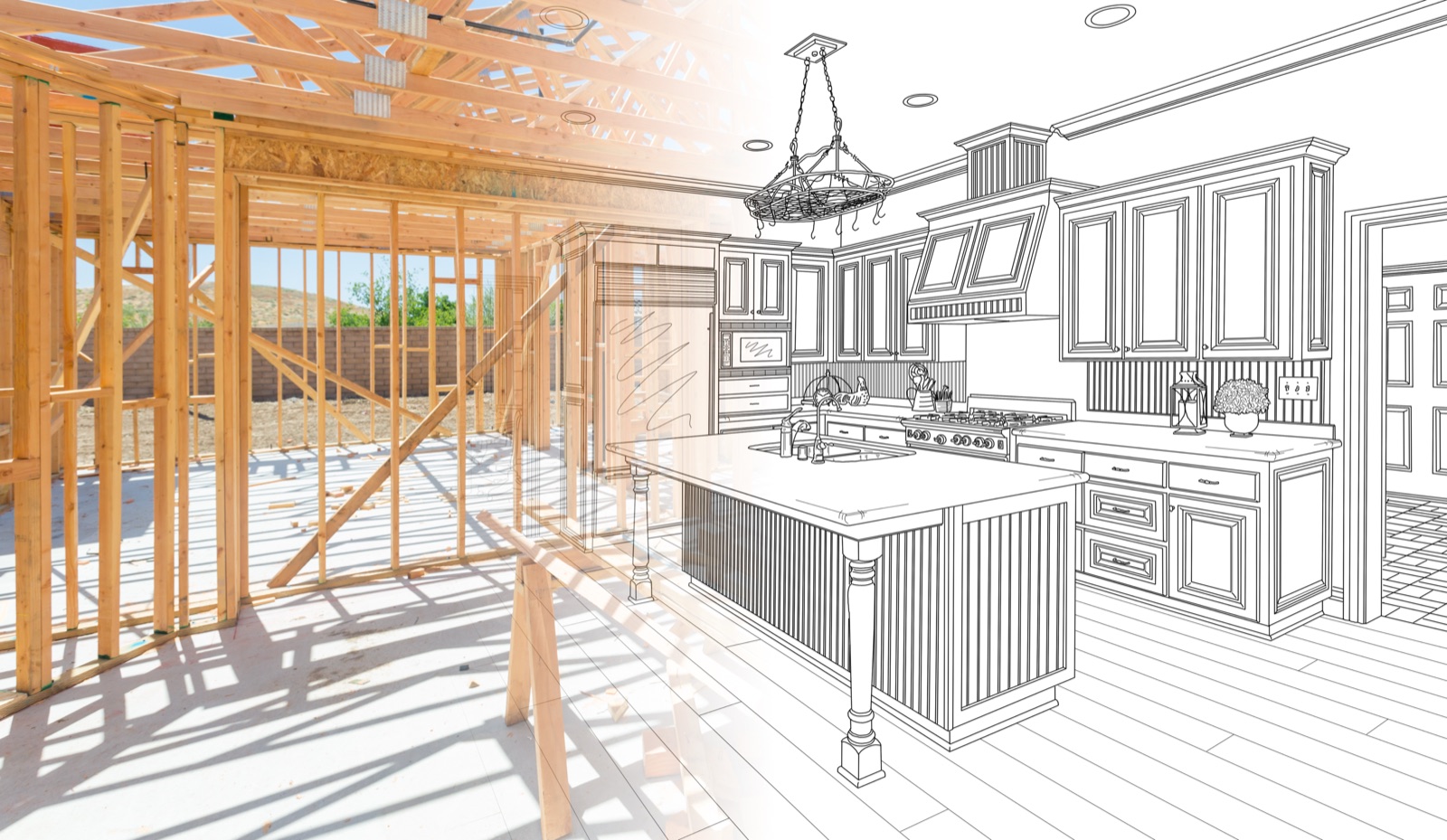
Building a custom home is an exciting journey, but it is also a process riddled with potential financial landmines, especially when it comes to change orders and allowance overages. These often-overlooked contract details can add tens of thousands of dollars to your final price tag, often unnecessarily. The good news? With the right planning and guidance, many of these costs can be reduced significantly.
The Problem: Vague Contracts and Misaligned Expectations
Most custom home contracts are signed before the full design is complete. At this early stage, many material selections and construction details have not been nailed down. This creates a gap between the homeowner's vision and the builder's assumptions. A builder might assume you are okay with their standard selections, maybe 80% of their usual finishes and fixtures are perfectly fine with you. But it is the remaining 20%, the tile style, cabinet layout, lighting packages, or window trim details, that matter most to your aesthetic. These personal touches often are not fully discussed or priced until midway through the build. And that is where change orders come in.
The Expensive Reality of Change Orders
A change order is essentially a revision to the contract once construction is underway. Whether you are upgrading tile, moving a wall, or changing your kitchen layout, the costs go beyond just materials and labor. Builders typically add 15 to 50% in markup to any change order to cover overhead, scheduling disruptions, and profit. So a seemingly small $5,000 upgrade can easily become $6,000 to $7,500. Multiply that by a few key changes, and you could be looking at a six-figure overage. Change orders do not just inflate your costs, they delay the project, complicate coordination with subcontractors, and add stress during a time that should be exciting.
The Trap of Unrealistic Allowances
Another common pitfall is builder allowances, placeholder budgets for things like appliances, cabinetry, countertops, lighting, and flooring. While these allow a project to move forward without every detail finalized, they often do not reflect real-world costs or the homeowner's taste level. Many custom builders set low or mid-range allowances in order to present an attractive base price. But if your vision includes high-end cabinetry or designer tile, you are likely to exceed those allowances, sometimes dramatically.
Here is the kicker: most contracts stipulate that any allowance overage must be paid out of pocket, and you will also pay a markup of 15 to 20% on top of the overage. Worse, this extra cash is not included in your construction loan. With new builds in the million dollar plus range, it is not hard to add an additional $150,000 in cabinetry, tile, flooring, windows, trimwork, and landscaping during the build. Not only are you paying that $150,000 out of pocket, but you are now paying around $30,000 in unnecessary fees just because expectations were not aligned when the contract was written.
The Solution: Define Scope and Selections Early
The best way to avoid these costly surprises? Get specific, early. The more defined your project is before signing the contract, the fewer the change orders and overages later. That means clarifying your expectations (do not assume your builder knows what mid-range finishes or custom cabinets mean to you), finalizing key selections (know your tile, flooring, lighting, and cabinetry preferences before pricing is locked in), and setting realistic allowances (work with someone who understands both design and construction to align your budgets with your vision).
Why a Builder Liaison Saves You Money
This is where a builder liaison adds serious value. As someone who understands the language of both homeowners and builders, a liaison helps bridge that expectation gap. They will drill down into selections early in the process, ensure allowances reflect your style and needs, reduce the number and scope of change orders, help avoid inflated builder markups, and protect your budget and loan structure. In most cases, the savings from avoided change orders and realistic allowances more than cover the cost of hiring a liaison or consultant.
Final Thoughts
Building a custom home should be a dream, not a financial nightmare. By investing time upfront to define your project clearly and aligning expectations between you and your builder, you can avoid many of the hidden costs that plague custom builds. Whether you are just starting your design journey or about to sign a contract, do not leave details vague. Get professional help if you need it, because the true cost of assumptions can be far higher than you think.